Where are all the Black student journalists?
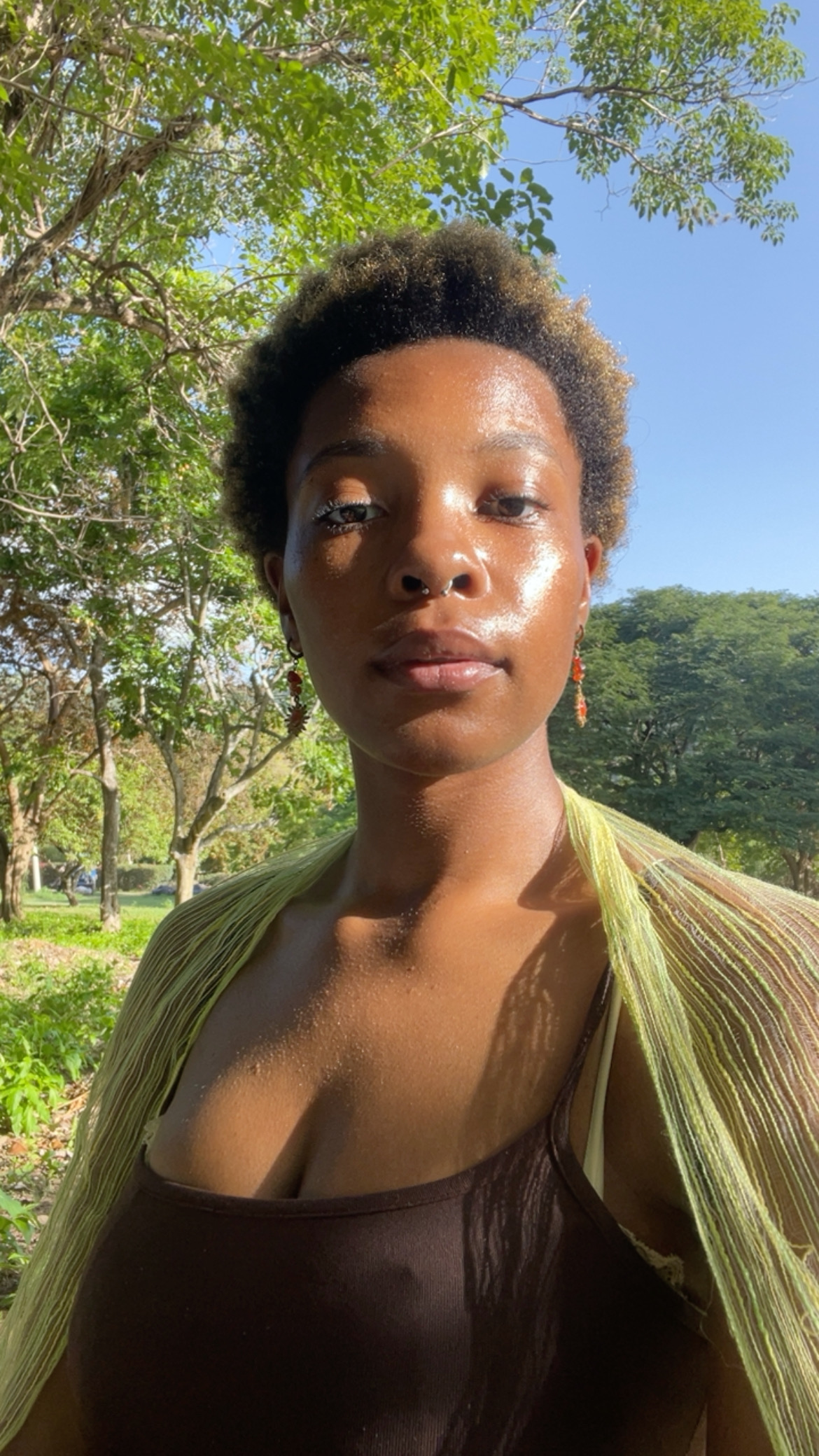
A reflection and call to action from our Editor-in-Chief
It has recently come to my attention that BlackBoard is considered disorganized among some students, and has even been juxtaposed (in a negative sense) to more “established” publications like The Daily.
I understand the impulse to compare. Before I became Editor-in-Chief, I even found myself harboring similar frustrations at times. I’ve never written for The Daily, but as a freshman I freelanced for North by Northwestern and designed a spread for Wavelength, and those experiences were generally great with streamlined, clear communication and deadlines.
Yet, I still longed for a home in BlackBoard. At the time, the organization was defunct and it was up to students to revive it. Eventually, two students did, and I joined the team as Assistant Web Editor. Now, after three years, I’m Editor-in-Chief.
In my time as a member of BlackBoard, I’ve witnessed Black students come and leave in favor of more institutionalized publications. Once again, I can understand why. Our time on this campus is capped, and it makes sense to maximize the visibility of your work. These are the samples you will submit to potential employers, after all.
Yet, I still find myself balking when I hear students say that the only Black student magazine on campus is too disorganized or not established enough to work with. When we fail to consider BlackBoard’s storied history as a publication made not just for Black students, but BY Black students, we engage in false equivalency.
Obviously, I’m biased. Still, I ask that you bear with me as I explore some BlackBoard history.
Late last year when reporting on FirstRepair’s National Symposium for State and Local Reparations, I had the pleasure of interviewing Dino Robinson, founder of the Shorefront Legacy Center. To my surprise, I also learned that Robinson was a former publishing industry consultant for BlackBoard during a tumultuous period of hiatuses and reformations. Before we dove into my questions about his role in writing the now 84-page harm report that helped make the case for reparations in Evanston, I learned about his role as an advisor for students who were eager to mold BlackBoard in their image.
“You need to be true to your mission,” Robinson told me as he recounted the advice he gave to the staff. “Over the years, if you look at the entire history of BlackBoard, the design looks different. This is cool in some aspects. Students can express their ideas and new look, but if it’s not consistent people don’t know what it is. The mission drift with it was concerning — is it a fun, social magazine, or is it political? Is it about the music scene and fashion, or is it about current events and the state of Black well-being in the United States and on this campus? Whichever you do, pick one. It was hard to be both.”
Robinson went on to tell me that what BlackBoard has been doing the past few years has been wonderful, and that archiving the magazines for future students is integral to keeping the recent progress alive. Yet, this grapple with our magazine’s mission is something even I’m familiar with. Perhaps that’s one reason why, even now, outsiders still say that the publication lacks organization and establishment — they are really commenting on the lack of a consistent, clear-eyed vision and brand.
Here’s another thing to consider: we no longer have a staff consultant versed in the publishing field, and we don't have a close-knit journalism advisor or board of directors who can maintain the institutional integrity of the organization as students come and go. On the one hand, this offers students a great sense of autonomy over the stories they feel at liberty to tell. On the other hand, that means the stakes for archiving and maintaining organizational memory over time are like no other.
(From left to right) BlackBeat, another iteration of BlackBoard in 1989; this Spring, BlackBoard will release a monthly newsletter of the same name, led by newsletter editor and superstar freshman Habiba Affo. An early clipping of BlackBoard only a year after its founding. A 1991 story describing the publication's evolution, featuring a quote from former editor, and now Medill Dean, Charles Whitaker, "The theory was that BlackBoard would emerge as an alternative to The Daily, and would inevitably surpass it. Blackboard's progress was impeded by its own unrealistic goals."
When BlackBoard was founded in 1972 as a satellite organization of FMO, its stated purpose was to “provide a social, cultural, and intellectual outlet” for Black students and to ultimately instill a “sense of Black consciousness.” At the time, Black students were fighting for the basic right to be treated equitably on campus. (For example, it wasn’t until the 1960s that Northwestern desegregated its dormitories. See the long history of Black male students sleeping in the Emerson YMCA.) Sovereignty and identity was on the tip of every Black tongue, and BlackBoard was the engine of this discourse. The archive shows that, at its beginning, there were sparse faculty members and little institutional favor to keep the publication running. At its core, BlackBoard existed by the will of the students.
So, to return to the struggle Robinson was talking about, is BlackBoard a political organization, or not? I tend to align myself with the opinion that everything is political so, therefore yes, BlackBoard is inherently political, too. Others may disagree, but I believe this stance is deeply grounded in the publication’s origins.
The only thing worse than squabbling over BlackBoard’s soul, however, is indifference. Apathetic silence. An empty Black House Quibbler Room on a Thursday night. When people ask why BlackBoard doesn’t publish as much content or why isn't it as organized as other publications, my response is this: Where are all the Black student journalists?
The reality is, BlackBoard as it stands is ran by an incredibly small (but mighty!) staff. The turnaround on story edits may be slower, but as Editor-in-Chief I’ve made it my commitment to communicate transparently with each member of our organization about the state of the publication, my capacity as its leader and our collective responsibility to run a journalism outlet with integrity. The more students we have who are passionate about rigorous, creative storytelling, the greater our ability is to do more.
Yes, joining our staff means partaking in the arduous, emotionally-taxing process of deciding what BlackBoard is and what it stands for, which is something you may not have to worry about (as much) as a staff member for other student publications. But, there is also incredible power and community to be found in having the essence of an entire magazine at your fingertips and in collaborating with your peers to decide what is the most important story to be told about Northwestern’s Black student population.
When we find ourselves frustrated with BlackBoard, I invite each of us to self-reflect and ruminate on the role we play in shaping it. BlackBoard never existed on the will of one passionate person. It takes all of us.
Do you want to have a hand in shaping Black narratives on campus? Executive board applications will open next month. Per BlackBoard’s constitution, all majors are welcome to apply, and applicants will be evaluated on their (1) journalistic aptitude and keen editorial eye, (2) leadership skills, (3) previous experience (i.e. writing, editing, designing, etc.) with the organization, (4) knowledge of the inner workings of the organization, (5) availability during the academic year or quarter and (6) teachability. BlackBoard meets every Thursday at 6 pm in the Black House. I hope to see you there.


Comments